
Originally published December 5, 2019. Last updated August 2026 by Stacey MacAulay, R.D.
The short answer
Yes, you should take your dentures out overnight. Sleeping in dentures accelerates bone loss in your jaw, encourages oral bacteria and fungal infections like denture stomatitis, and increases gum inflammation.
The one common exception is Obstructive Sleep Apnea (OSA), where wearing dentures at night can actually help. If you have OSA, remove your dentures for several hours during the day instead.
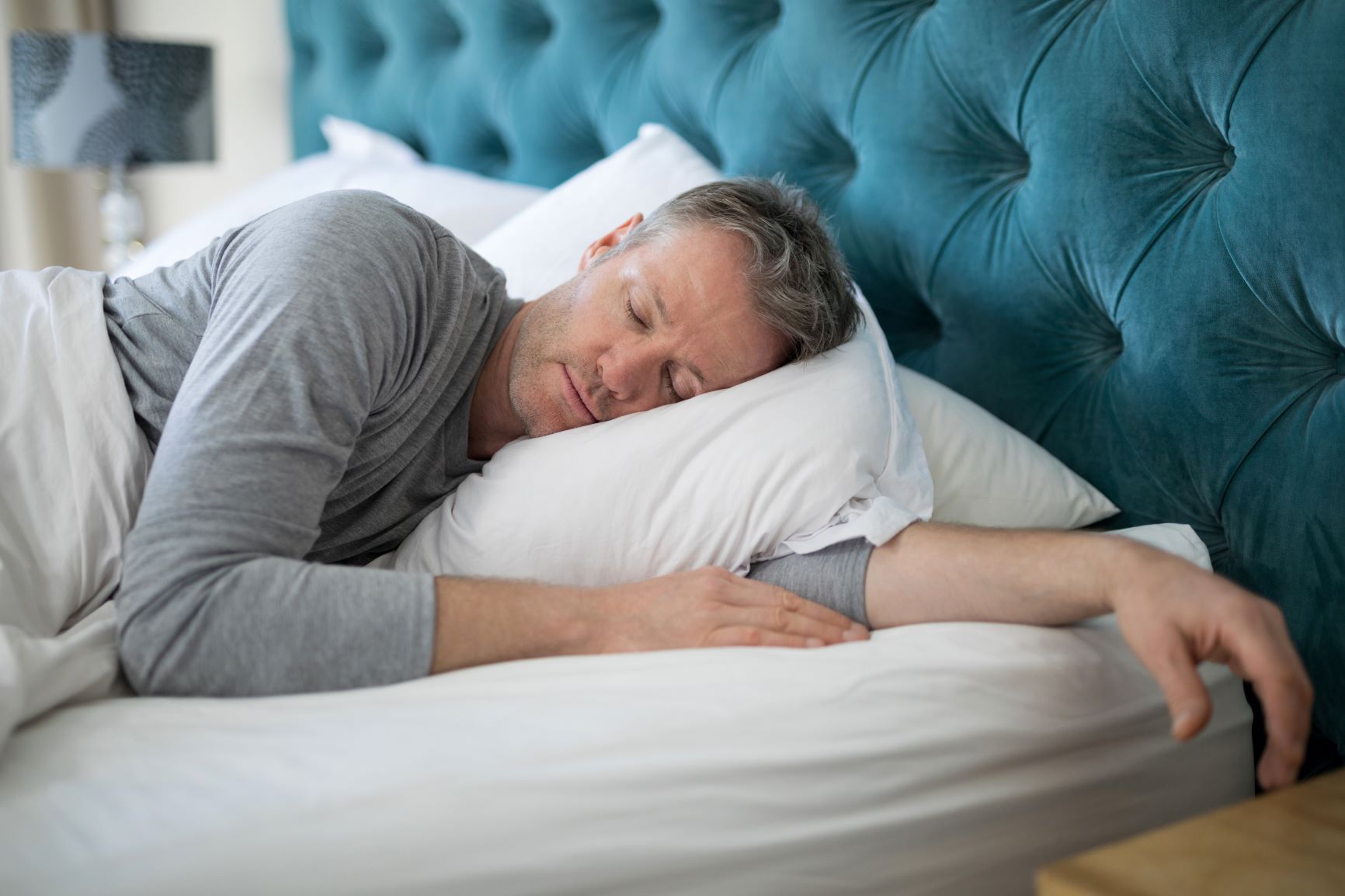
Just like sleep rejuvenates your mind and body, proper rest from your denture keeps your mouth happy and healthy. Part of diligent denture and oral care is removing your denture at night, or for several continuous hours each day.
Some patients tell us they can’t imagine going without their denture for any length of time, except to brush it. Others say no one has ever told them they should. Both groups usually change their mind when they hear what actually happens overnight.
What happens if you sleep in your dentures every night?
Bacteria, plaque, and denture stomatitis
Your gums and the tissues under your denture need a chance to rest and to receive the natural antibacterial agents in your saliva. When you keep a denture in around the clock, the surfaces underneath it become a breeding ground for oral bacteria and fungi, leading to odor, irritation, and disease.
You will be more likely to develop tongue and denture plaque, gum inflammation, and Candida albicans infections (also known as thrush or denture stomatitis). Denture stomatitis is the most common condition we see in patients who sleep in their dentures, the roof of the mouth becomes red, sore, and inflamed, sometimes with small red bumps. It usually resolves within a few weeks once nightly removal begins.
Accelerated bone loss
Dentures put pressure on your gums and the bony ridges beneath them. This contributes to resorption, a process that results in a gradual decrease in bone volume and density – bone loss.
Over time, resorption leads to inadequate bone support for your denture, it becomes loose and falls out more easily. Bone loss also means less support for your cheeks and lips, which can change your facial appearance dramatically.
Resorption happens whenever teeth are missing, but the process is measurably faster when dentures are worn 24 hours a day. Nightly removal is the single easiest thing you can do to slow it down.
Facial changes over time
The sunken, collapsed look people associate with long-term denture wear is not from the dentures themselves — it’s from bone loss underneath them. Wearing dentures around the clock accelerates this. Patients who remove their dentures overnight for years still see gradual bone loss (it’s natural once teeth are gone), but the change is much slower and their dentures continue to fit for far longer.
The one exception — Obstructive Sleep Apnea
For most people, going without your denture during sleep is the easiest option you avoid having to eat, drink, speak, or socialize without it.
There is one common medical reason to wear your denture overnight: Obstructive Sleep Apnea (OSA). In some cases, an upper denture helps maintain the position of the jaw and airway during sleep, reducing OSA episodes. If your physician has told you that you have OSA (or you are at risk of it), talk to your denturist before you start removing your denture at night.
The workaround: if you need to wear your denture during sleep, remove it for several hours during the day instead. Your tissues still get the rest they need — you’re just shifting when.
How to store your dentures overnight
Once your denture is out, keep it clean and moist. Rinse off any food and debris, brush it gently with a soft denture brush and mild soap or a denture cleanser (not regular toothpaste, it’s too abrasive), then store it in a covered container of cool water or a denture-soaking solution overnight.
Never let a denture dry out. Acrylic can warp when it dries, and a warped denture will not fit properly when you put it back in. Never use hot water either, it can warp the acrylic base, permanently changing the fit.
What if I can’t stand being without my dentures?
This is the most common concern we hear, and it usually comes from one of three things: not wanting your partner or family to see you without teeth, worry about needing to eat or drink at night, or the habit of always having them in.
The partner concern usually resolves quickly most people find their family adjusts within a week or two. If eating or drinking at night is a real need (for example, taking medication with food), you can put your denture back in briefly, then remove it again. The habit of always wearing them takes the longest to unlearn, try leaving them out for two hours in the evening first, then extending it, until nightly removal feels normal.
If you’ve tried and it’s genuinely not working, talk to your denturist. Sometimes the underlying issue is a fit problem that makes reinsertion uncomfortable and that’s fixable.
Frequently asked questions
Can you sleep with your dentures in?
Yes, but you shouldn’t make it a habit. Sleeping in dentures accelerates jaw bone loss, encourages fungal infections like denture stomatitis, and increases gum inflammation. Take them out overnight or, if you have OSA and need to wear them at night, take them out for several hours during the day instead.
What happens if I never take my dentures out?
Over time you will experience faster jaw bone loss, chronic inflammation of the tissues under the denture, more frequent Candida (thrush) infections, and a denture that becomes progressively looser and harder to keep in place. Facial appearance also changes more quickly as bone support decreases.
How many hours a day should dentures be out?
Eight hours out of every twenty-four is the general guideline. Overnight is easiest for most people, but any continuous stretch, during the day if you sleep in your dentures for medical reasons will do.
What’s the best way to store dentures overnight?
In a covered container of cool water or a denture-soaking solution. Never store them dry, acrylic warps when it dries out, and a warped denture won’t fit properly the next morning.
Can I use hot water to clean my dentures?
No. Hot water can warp the acrylic base of your denture, permanently changing its fit. Always use cool or lukewarm water.
Interested in a Free Consultation?
Kelowna Denture Clinic
102–1824 Gordon Drive, Kelowna, BC
(236) 420-2581
www.KelownaDentureClinic.com
We are here to help you understand your CDCP coverage and restore your smile with confidence.
CONTACT US Today!